In Poland, "Grandma's Day" (Polish: Dzień Babci) was created in 1964 by the Kobieta i Życie magazine, and popularized from 1965 onwards. It is celebrated on January 21. "Grandpa's Day" (Polish: Dzień Dziadka) is celebrated a day later, on January 22.
Marian McQuade of Oak Hill, West Virginia, has been recognized nationally by the United States Senate – in particular by Senators Jennings Randolph;[2] and Robert Byrd – and by President Jimmy Carter, as the founder of National Grandparents Day. McQuade made it her goal to educate the youth in the community[clarification needed] about the important contributions seniors have made throughout history. She also urged the youth to "adopt" a grandparent, not just for one day a year, but rather for a lifetime.
In 1973, Senator Jennings Randolph (D-WV) introduced a resolution to the senate to make Grandparents' Day a national holiday. West Virginia's Governor Arch Moore had proclaimed an annual Grandparents' Day for the state, at the urging of Marian McQuade. When Senator Randolph's resolution in the U.S. Senate died in committee, Marian McQuade organized supporters and began contacting governors, senators, and congressmen in all fifty states. She urged each state to proclaim their own Grandparents' Day. Within three years, she had received Grandparents' Day proclamations from forty-three states. She sent copies of the proclamations to Senator Randolph.[citation needed]
In February 1977, Senator Randolph, with the concurrence of many other senators, introduced a joint resolution to the senate requesting the president to "issue annually a proclamation designating the first Sunday of September after Labor Day of each year as 'National Grandparents' Day'." Congress passed the legislation proclaiming the first Sunday after Labor Day as National Grandparents' Day and, on August 3, 1978, then-President Jimmy Carter signed the proclamation.[3][4] The statute cites the day's purpose: "...to honor grandparents, to give grandparents an opportunity to show love for their children's children, and to help children become aware of strength, information, and guidance older people can offer".
Carrie Matilda Derick was a Canadian botanist and geneticist, the first female professor in a Canadian university, and the founder of McGill University's Genetics Department
Born: January 14, 1862, Saint-Georges-de-Clarenceville, Quebec
Died: November 10, 1941, Montreal
Books: Notes on the Development of the Holdfasts of Certain Florideae
Education: McGill University, University of Bonn
Carrie Matilda Derick (January 14, 1862 – November 10, 1941) was a Canadian botanist and geneticist, the first female professor in a Canadian university, and the founder of McGill University's Genetics Department.
Born in Clarenceville, Quebec on January 14, Carrie was educated at the Clarenceville Academy and received her teacher training at the McGill Normal School before becoming a school teacher in Clarenceville and Montreal. In 1890, she received a B.A. from McGill University, graduating at the top of her class in natural science with first-class honours.[3] (Included in that class were two other notable Canadian women: Elizabeth Binmore and Maude Abbott.) She began teaching at the Trafalgar Institute for Girls in 1890 while also working part-time as McGill's first female botany "demonstrator."
In 1891, Derick began her master's program at McGill under David Penhallow and received her M.A. in botany in 1896. She attended the University of Bonn in 1901 and completed the research required for a Ph.D. but was not awarded an official doctorate since the University did not give women Ph.D. degrees. She then returned to McGill and "continued to work, teach, and administer" in the botany department. In 1905, "after seven years of lecturing, assisting Penhallow with his classes, researching and publishing, without any pay increments or offers of promotion, Derick wrote directly to Principal Peterson and was promoted to assistant professor" at one-third the salary of her male counterparts. Derick was only officially appointed as professor of comparative morphology and genetics by McGill in 1912 after three years of running the department following Penhallow's death. She was the first woman both at McGill and in Canada to achieve university professorship. She retired in 1929.
Derick also studied at Harvard University for three summers, the Royal College of Science, London in 1898, and the Marine Biological Laboratory in Woods Hole, Massachusetts for seven summers, and was a leader in early feminism: fighting for women's right to education, the vote, and work. Derick was a member of the Mu Iota Society, a group whose name was later changed to The Alumnae Society. She was a fellow of the American Association for the Advancement of Science, vice president of the Natural History Society of Montréal, and a member of the Botanical Society of America, the American Genetics Association, the Montreal Philosophical Club, the Canadian Public Health Association, the Executive Committee of the National Council of Education, and the first woman on the Protestant Committee of Public Instruction, Quebec, from 1920 to 1937. Derick was also president of the Montreal Suffrage Association from 1913 to 1919 and, in 1914, supported Annie Langstaff, the first woman to graduate in law at McGill, in her unsuccessful bid to be admitted to the bar in Quebec. Along with Maude Abbott, McGill’s pioneer cardiologist and curator of the Medical Museum, Derick founded and was a lifelong member of the National Council of Women.
Derick died on November 10, 1941 in Montreal, Quebec. A street is named after her in Montreal's Southwest borough.
Read more:
https://en.wikipedia.org/wiki/Carrie_Derick
Until modern times, few women were recognized in the world of academia. Carrie Derick, a Canadian botanist and geneticist, upended that norm. Born 155 years ago today, Derick was a trailblazer who fought for women’s rights and helped pave the way for women in education.
In 1890, Derick graduated at the top of her class from Quebec’s McGill University where she would remain for her MA studies. She went on to attend the University of Bonn in Germany, where she completed enough research to earn a Ph.D in 1901. Unfortunately, she did not receive an official doctorate because the school did not award Ph.Ds to women at the time.
Derick persevered, continuing in her career as a botanist and geneticist and in 1912, became Canada’s first female professor at her alma mater, McGill University. She continued to teach there until her retirement in 1929, upon which she was made the first female professor emeritus in Canada.
Throughout her life, Derrick was an advocate for women’s rights and causes, serving as president of the Montréal Suffrage Association from 1913 to 1919.
Today’s Doodle honors Derick, a true pioneer and visionary.
Florence Nwanzuruahu Nkiru Nwapa was a Nigerian author best known as Flora Nwapa, who has been called the mother of modern African literature.
Born: 13 January 1931, Oguta
Died: 16 October 1993, Enugu
Education: University of Ibadan, University of Edinburgh
Florence Nwanzuruahu Nkiru Nwapa (13 January 1931 – 16 October 1993) was a Nigerian author best known as Flora Nwapa, who has been called the mother of modern African literature. The forerunner to a generation of African women writers, she is acknowledged as the first African woman novelist to be published in the English language in Britain and achieve international recognition, with her first novel Efuru being published in 1966 by Heinemann Educational Books. While never considering herself a feminist, she is best known for recreating life and traditions from an Igbo woman's viewpoint.
Nwapa also is known for her governmental work in reconstruction after the Biafran War. In particular she worked with orphans and refugees who were displaced during the war. Further she worked as a publisher of African literature and promoted women in African society. She was one of the first African women publishers when she founded Tana Press in the 1970s.
Nwapa's first book, Efuru, was published in 1966, a pioneering work as an English-language novel by an African woman writer It was followed by the novels Idu (1967), Never Again (1975), One is Enough (1981) and Women Are Different (1986). She published two collections of stories — This Is Lagos (1971) and Wives at War (1980) — and the volume of poems Cassava Song and Rice Song (1986). She was also the author of several books for children.
In the 1974 she founded Tana Press and in 1977 the Flora Nwapa Company, publishing her own adult and children's literature as well as work by other writers. She gave as one of objectives: "to inform and educate women all over the world, especially Feminists (both with capital F and small f) about the role of women in Nigeria, their economic independence, their relationship with their husbands and children, their traditional beliefs and their status in the community as a whole". Tana has been described as "the first press run by a woman and targeted at a largely female audience. A project far beyond its time at a period when no one saw African women as constituting a community of readers or a book-buying demographic."
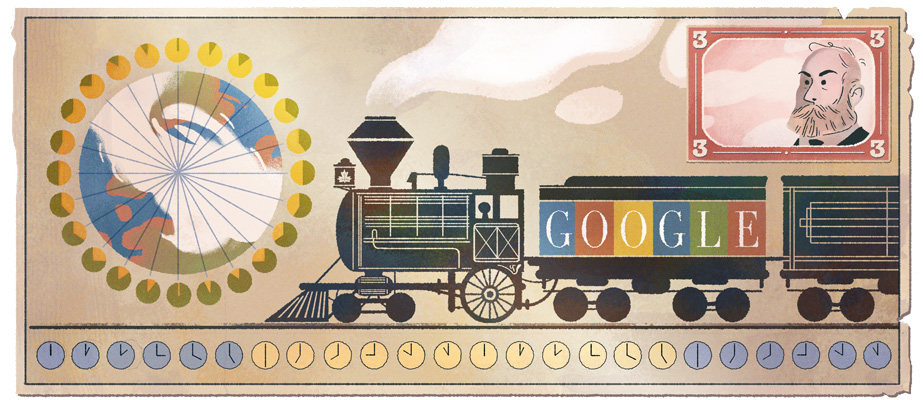
Sir Sandford Fleming, KCMG was a Canadian engineer and inventor. Born and raised in Scotland, he emigrated to colonial Canada at the age of 18.
Born: January 7, 1827, Kirkcaldy, United Kingdom
Died: July 22, 1915, Halifax, Canada
Books: Time-reckoning for the Twentieth Century, England and Canada, Our Atlantic Steamship Service: (second Article)
Organization founded: Royal Canadian Institute
In 1827, Fleming was born in Kirkcaldy, Fife, Scotland to Andrew and Elizabeth Fleming. At the age of 14 he was apprenticed as a surveyor and in 1845, at the age of 18, he emigrated with his older brother David to colonial Canada. Their route took them through many cities of the Canadian colonies: Quebec City, Montreal, and Kingston, before settling in Peterborough with their cousins two years later in 1847. He qualified as a surveyor in Canada in 1849.
In 1849 he created the Royal Canadian Institute with several friends, which was formally incorporated on November 4, 1851. Although initially intended as a professional institute for surveyors and engineers it became a more general scientific society. In 1851 he designed the Threepenny Beaver, the first Canadian postage stamp. Throughout this time he was fully employed as a surveyor, mostly for the Grand Trunk Railway. His work for them eventually gained him the position as Chief Engineer of the Northern Railway of Canada in 1855, where he advocated the construction of iron bridges instead of wood for safety reasons.
Fleming served in the 10th Battalion Volunteer Rifles of Canada (later known as the Royal Regiment of Canada) and was appointed to the rank of Captain on January 1, 1862. He retired from the militia in 1865.
His time at the Northern Railway was marked by conflict with the architect Frederick William Cumberland, with whom he started the Canadian Institute and who was general manager of the railway until 1855. Starting as assistant engineer in 1852, Fleming replaced Cumberland in 1855 but was in turn ousted by him in 1862. In 1863 he became the chief government surveyor of Nova Scotia charged with the construction of a line from Truro to Pictou. When he would not accept the tenders from contractors that he considered too high, he was asked to bid for the work himself and completed the line by 1867 with great savings to the government and at profit to himself.
Sandford Fleming (in tallest hat) at the ceremony of the "last spike" being driven on the Canadian Pacific Railway
In 1862 he placed before the government a plan for a transcontinental railway connecting the Atlantic and Pacific oceans.
The first part, between Halifax and Quebec became an important part of the preconditions for New Brunswick and Nova Scotia to join the Canadian Federation because of the uncertainties of travel through Maine because of the American Civil War.
In 1867 he was appointed engineer-in-chief of the Intercolonial Railway which became a federal project and he continued in this post till 1876. His insistence on building the bridges of iron and stone instead of wood was controversial at the time, but was soon vindicated by their resistance to fire.
By 1871, the strategy of a railway connection was being used to bring British Columbia into federation and Fleming was offered the chief engineer post on the Canadian Pacific Railway. Although he hesitated because of the amount of work he had, in 1872 he set off with a small party to survey the route, particularly through the Rocky Mountains, finding a practicable route through the Yellowhead Pass. One of his companions, George Monro Grant wrote an account of the trip, which became a best-seller.[6] By 1880, with 600 miles completed, a change of government brought a desire for a private company to own the whole project and Fleming was dismissed by Sir Charles Tupper, with a $30,000 payoff. It was the hardest blow of Fleming's life, though he obtained a promise of monopoly, later revoked, on his next project, a trans-pacific telegraph cable.[5] Nevertheless, in 1884 he became a director of the Canadian Pacific Railway and was present as the last spike was driven.
7 қаңтар мерекесі Google баршаңызды қысқы мейрамдармен құттықтайды!
7 қаңтар мерекесі Google баршаңызды қысқы мейрамдармен құттықтайды!
7 қаңтар мерекесі
Google баршаңызды қысқы мейрамдармен құттықтайды!
АСТАНА. 7 қаңтар. ҚазАқпарат - ҚазАқпарат оқырмандарына 2013 жылғы 7 қаңтарға арналған күнтізбесін ұсынады. 7 қаңтар ДҮЙСЕНБІ Христостың туған күні - Рождество мерекесі. ЕСТЕ ҚАЛАР ОҚИҒАЛАР 21 жыл бұрын (1992) «Қазақстан Республикасындағы ғылым және мемлекеттік ғылыми-техникалық саясат туралы» Заң жарық көрді. 21 жыл бұрын (1992) Француз Республикасы Қазақстан Республикасының тәуелсіздігін мойындады. 14 жыл бұрын (1999) Астанада «Елорда» баспасы ашылды. 10 жыл бұрын (2003) Қазақстан Республикасының «Электрондық құжат және электрондық сандық қол қою туралы» Заңы жарық көрді. 7 жыл бұрын (2006) Қазақстан Республикасы Парламенті палаталары «Қазақстан Республикасының мемлекеттік нышандары туралы» Қазақстан Республикасы Президентінің Конституциялық заң күші бар Жарлығына өзгерістер енгізу туралы» Қазақстан Республикасы Конституциялық Заңының жобасын мақұлдады. Ол бойынша Жұмекен Нәжімеденов пен Нұрсұлтан Назарбаевтың сөзіне жазылған Шәмші Қалдаяқовтың «Менің Қазақстаным» әні әнұран болып бекітілді. 109 жыл бұрын (1904) Маркони компаниясы «SQD» көмекке шақыру радио дабылын орнатты. Екі жылдан кейін мағынасы белгісіз сөзді SOS-қа алмастырды. 99 жыл бұрын (1914) Панама арнасы арқылы алғашқы кеме жүзіп өтті. Тынық мұхит пен Атлант мұхитын жалғап тұрған ұзындығы 81 шақырымдық бұл арна әлемдік транзитте ерекше орын алады. 21 жыл бұрын (1992) Қазақстан Республикасының Мемлекеттiк қоймасына асыл металлдардың бiрiншi партиясы - «төрт тоғыздық» және 2 күмiстік сапасымен 5 алтын кесек қабылданды. Мемлекеттік құндылықтар қоймасының тарихы 1991 жылғы тамыздың 31-інде Елбасы Н.Назарбаевтың «Қазақ ССР алтын валюталы және алмас қордың жасау туралы» Жарлығынан бастау алады. ЕСІМДЕР 110 жыл бұрын (1903-1971) техника ғылымының докторы, профессор, Қазақ КСР Ғылым академиясының академигі ГРУЗИНОВ Владимир Константинович дүниеге келді. Ресейде туған. Сібір технология институтын бітірген. 1946-1962 жылдары - Орал политехникалық институтының доценті, профессоры, кафедра меңгерушісі. 1963-1965 жылдары - Орталық қара металлургия ғылыми-зерттеу институтының Қазақ филиалы директорының орынбасары. 1965-1966 жылдары - Қарағанды политехникалық институтының кафедра меңгерушісі. 1966-1971 жылдары Қазақ КСР Ғылым академиясының Химия-металлургия институты директорының ғылыми жұмыстар жөніндегі орынбасары болған. Ғалымның негізгі ғылыми еңбектері металлургияда өндіріс үдерістерін механикаландыру және автоматтандыру мәселелеріне арналған. Ол домна цехтарын механикалық жабдықтау жөніндегі конструкциялық зерттеулерін тұжырымдаған. Шихтаны домна пешіне арнаулы бағдарлама бойынша тиеу арқылы шойын балқыту үдерісін автоматты түрде басқару теориясын ұсынған. Қазақстанда қара металлургия өнеркәсібінің шикізат қорын ұлғайту жөнінде зерттеулер жүргізген. 10 авторлық куәлігі бар. «Құрмет белгісі» орденімен, медальдармен марапатталған. 94 жыл бұрын (1919-1945) Кеңес Одағының Батыры МИХЕЕВ Григорий Яковлевич дүниеге келді. Петропавл қаласында туған. Краснодар қаласындағы (Ресей) әскери авиациялық училищені бітірген. 1941 жылы ұшқыш-штурман Михеев Мәскеу маңының аспанын қорғаған. 1942 жылдан 1-ші Әуе армиясының құрамында болып, 114 әуе сапарын орындаған. Петропавл қаласындағы бір көше Михеев есімімен аталады. «Ленин», «Қызыл Жұлдыз», 1-2-ші дәрежелі «Отан соғысы», «Қызыл Ту» ордендерімен және медальдармен марапатталған. 74 жыл бұрын (1939-2000) химия ғылымының кандидаты, профессор, Қазақстан Республикасы Инженерлік академиясының корреспондент мүшесі, Халықаралық шығармашылық академиясының академигі ШАЯХМЕТОВ Шайсұлтан дүниеге келді. Қостанай облысында туған. М.Ломоносов атындағы Мәскеу мемлекеттік университетін, КСРО Ғылым академиясы элементтік-органикалық қосылыстар институтының аспирантурасын бітірген. 1987-1993 жылдары - Қазақ КСР Жоғары және орта арнайы білім министрі, Қазақстан Республикасы Халыққа білім беру министрі. 1997-1998 жылдары - Қостанай облысы әкімінің орынбасары, Л.Гумилев атындағы Еуразия университетінің профессоры, мемлекеттік және басқа да тілдерді оқыту орталығының директоры. 1998-2000 жылдары Қазақстан Республикасы Ақпарат және қоғамдық келісім министрлігі жанындағы республикалық орталықтың директоры, «Мемлекеттік тіл» қоғамдық қорының президенті қызметтерін атқарған. Республикалық самбо және қазақша күрес бойынша федерациясының президенті болып сайланған.
Барлық құқықтар қорғалған. inform.kz белсенді сілтемені пайдаланыңыз http://www.inform.kz/kz/7-kantar-kazakparat-kuntizbesi-atauly-kunder-okigalar-esimder_a2524204
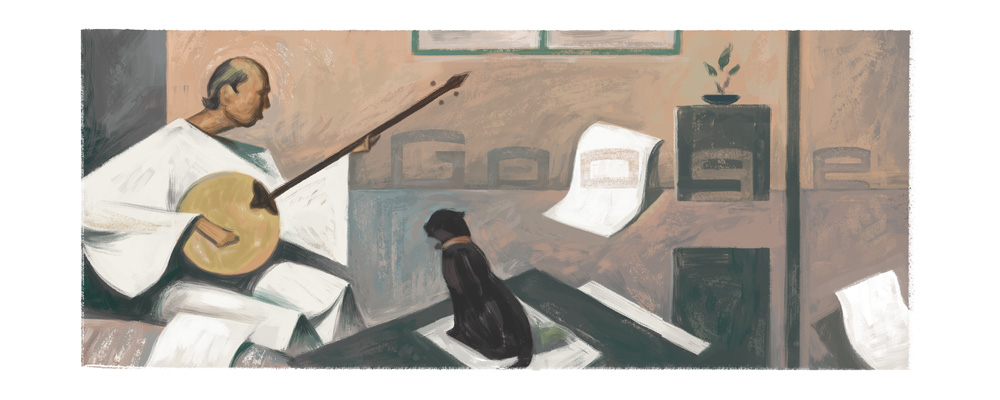
حسين أمين بيكار هو فنان تشكيلي مصري من أصل قبرصي تركي. فنان تشكيلي متميز ينتمي إلى الجيل الثاني من الفنانين المصريين.
الميلاد: ٢ يناير، ١٩١٣، الإسكندرية، مصر
الوفاة: نوفمبر ٢٠٠٢، القاهرة، مصر
الكتب: رسم بالكلمات، صور ناطقة
حسين أمين بيكار (2 يناير عام 1913 - 16 نوفمبر 2002) هو فنان تشكيلي مصري من أصل قبرصي تركي.
فنان تشكيلي متميز ينتمي إلى الجيل الثاني من الفنانين المصريين. وهو صاحب بصيرة نافذة، وذوق رفيع، أحب الموسيقي منذ نعومة أظافره، كما كتب رباعيات وخماسيات زجلية تمتلئ حكمة وبلاغة، ظل معطاء طوال حياته، ومعلما للكثير من الأجيال. وهو صاحب مدرسة للفن الصحفي وصحافة الأطفال بصفة خاصة، بل هو رائدها الأول في مصر. له أسلوب بسيط واضح ارتفع بمستوى الرسم الصحفي ليقترب من العمل الفني، أما لوحاته الزيتية فتتميز بمستواها الرفيع في التكوين والتلوين وقوة التعبير، فهو فنان مرهف حساس ،وناقد فني شاعري الأسلوب.
ولد حسين أمين بيكار في 2 يناير عام 1913 بحي الأنفوشي بالإسكندرية، التحق بكلية الفنون الجميلة عام 1928، وكانت وقتها تسمى مدرسة الفنون العليا وكان عمره آنذاك 15 عامًا، ليكون من أوائل الطلبة المصريين الذين التحقوا بها. درس في البدايات على أيدي الأساتذة الأجانب حتى عام 1930، ثم على يد يوسف كامل وأحمد صبري. عقب التخرج عمل في تأسيس متحف الشمع، وانجاز بعض الأعمال في ديكور المعرض الزراعي.
انتقل بيكار بعد ذلك إلى المغرب حيث قضى ثلاث سنوات مدرسا للرسم وهي مرحلة هامة في تكوين، حيث رسم بيكار أول رسومه التوضيحية هناك عندما وضع مدرس اللغة الإسبانية كتابا لتعليم اللغة للتلاميذ، طلب من بيكار مدرس الرسم آنذاك أن يترجم الكلمات إلى صور. عاد بيكار إلى القاهرة عام 1942، وعمل معاونا لأستاذه وصديقه الفنان أحمد صبري، وتولى رئاسة القسم الحر خلفا لصبري الذي انتقل لرئاسة قسم التصوير، وسرعان ما تولى بيكار رئاسة هذا القسم بعد إحالة صبري للتقاعد.
بيكار في طفولته
في طفولته تفتحت عيناه على بيت بسيط عار من الأثاث تقريبا مع جدران جرداء خلت من أى لوحات أو صور أو حتى ألوان.كان والده رجلا مسنا يعمل أمينا لمخازن السلطان عبد الحميد. والدته سيدة بسيطة من أصل تركي دؤبة على أشغال الأبرة وكانت ترسم بالقلم الرصاص وردة أو فراشة وعندما يراها تفعل ذلك يشعر بالدهشة إذ كيف تتحقق هذه الأشياء على مفرش تطريز وكان ينظر إلى هذا العمل باعتباره عملا ساحراً. ومثل أى طفل من أسرة بسيطة حريصة على تعليم إبنها التحق بالمدرسة الأولية وكانت أول مدرسة في شارع "أبو وردة " والتعليم مجانى ومع المجانية تصرف المدرسة زوجا جديداً من الأحذية سنوياً لكل تلميذ لمقاومة الحفاءالذي كان سائداً في مصر في ذلك الوقت. في نفس الوقت كان في بيت الأسرة عود اشتراه والده حتى تتعلم أخته الموسيقى.. هي فشلت لكن هو "حسين "شغف بالموسيقى وبدأ يعلم نفسه بنفسه حتى أصبح ظاهرة الحى كله يعزف على العود ويغنى الأغانى الخفيفة والطقاطيق الصغيرة... وفى يوم من الأيام عرضت عليه إحدى الجارات أن يعلمها الموسيفى نظير ريال في الشهر.. وكان أول ريال تقاضاه منها ثمن علبة ألوان زيت اشتراها وبدأت أولى محاولاته الناجحة في رسم اللوحات وكانت منقولة من كارت بوستال لمناظر من سويسرا ..بيوت مائلة ويحيرات تنعكس عليها الزهور والأشجار. وعندما حصل بيكار على الشهادة الإبتدائية هاجر مع والدته وأخته إلى القاهرة ليلتحق بمدرسة الفنون الجميلة العليا وكان والده قد توفى قبل ذلك بفترة .
بيكار يعزف العود بريشة أستاذه أحمد صبري عام 1934
وفى مدرسة الفنون الجميلة بدأ يدرس الرسم على أيدى أساتذة أجانب ودرس الرسم بالزيت تحت رعاية أستاذه أحمد صبرى رائد فن البورتريه وتوطدت العلاقة بينهما لاكتشاف صبرى ميل بيكارلفن البوتريه..وزاد من تأكدها حبه للموسيقى والغناء الشرقى القديم .ومرت الأعوام ليصبح بيكار مساعداَ لمعلمه في تدريس التصوير بمدرسة الفنون الجميلة ,وكان بيكار يترددعليه في بيته بميدان الحسينية وقد شرع أحمد صبرى في رسم بورتريه له في 10 جلسات مع العود الذي اشتراه خصيصاً لذلك.. ومن عادة الموديل أن يظل ساكنا أثناء الرسم.. لكن معه كانت العملية أكثر بساطة.. يقول بيكار :كنت أغنى له وأغنى معه.. ولكن معه نقتسم سويا أدوار محمد عثمان وعبده الحامولى ومنيرة المهدية وكامل الخلعى.وكنت موديلا وتلميذاً يتحدث إلىَ في كيفية بناء الصورة من الألف إلى الياء.كيف يبدأ ومن أين ينتهى وأحياناً كان يشطب كل ما أنجزه.يهدمه ليبدأ من جديد وهنا تعلمت منه فقه التصوير وكيف يكون فن البورتريه.
بعد تخرجه عام 1933 بدأ بيكار نشاطه الموسيفى فقد تعرف على موظف شاب وعازف قانون..وكان له زميل آخر بنفس الإدارة عازف كمان هو عبد الرحيم محمد "والد الدكتور جمال عبد الرحيم عميد الكونسيرفتوار سابقا" وانضم إليهم الدكتور إبراهيم زكى خورشيد وكونوا فرقة موسيقية. وبدأ بيكار يظهر نشاطه في الحفلات كعازف عود ومغنى أدوار ويقوم بتحفيظه الأدوار القديمة إبراهيم عثمان شقيق عزيز عثمان.وكانت بعض هذه الأعمال تذاع على محطة إذاعة محلية كانت تسمى "سابو" وكان بقف على المسرح مع كبار مطربى هذا الزمان صالح عبد الحى وزكريا أحمد وعبده السروجى