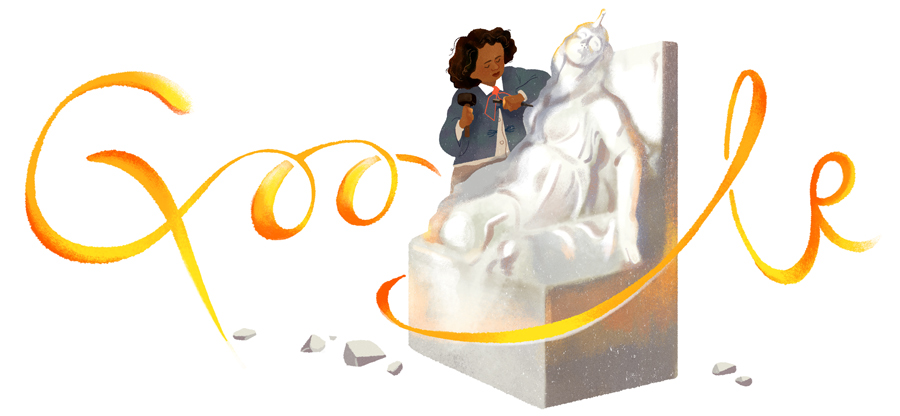
Mary Edmonia Lewis (ca. July 4, 1844 – September 17, 1907) was an American sculptor who worked for most of her career in Rome, Italy. She is the first woman of African-American and Native American heritage to achieve international fame and recognition as a sculptor in the fine arts world. Her work is known for incorporating themes relating to black and American Indian people into Neoclassical style sculpture. She emerged during the crisis-filled days of the Civil War, and by the end of the 19th century, she was the only black woman who had participated in and been recognized to any degree by the American artistic mainstream. In 2002, the scholar Molefi Kete Asante listed Edmonia Lewis on his list of 100 Greatest African Americans.
Edmonia Lewis's birth date has been listed as July 4, 1844. She was born in Greenbush, New York, which is now the city of Rensselaer.
Her father was an Afro-Haitian, while her mother was of Mississauga Ojibwe and African-American descent.
Lewis's mother was known as an excellent weaver and craftswoman, while her father was a gentleman's servant.
Her family background inspired Lewis in her later work.
By the time Lewis reached the age of nine, both of her parents had died. Her two maternal aunts adopted Lewis and her older brother Samuel, who was born in 1832. The children remained with their aunts near Niagara Falls for approximately the next four years. Lewis and her aunts sold Ojibwe baskets and other souvenirs, such as moccasins and blouses, to tourists visiting Niagara Falls, Toronto, and Buffalo. During this time, Lewis went by her Native American name, Wildfire, while her brother was called Sunshine.[citation needed] In 1852 Samuel left for California, leaving Lewis in the care of a Captain S. R. Mills, although Samuel continually provided money for her board and education. Later, in 1856, Lewis enrolled at New York Central College, McGrawville, a Baptist abolitionist school.
During her summer term there in 1858, Lewis took classes in the Primary Department in order to prepare for courses she would later take in collegiate programs. In a later interview, Lewis claimed after three years at the school, she left when she was "declared to be wild."
In 1859 when Lewis was about 15 years old, her brother Samuel and abolitionists sent her to Oberlin College, where she changed her name to Mary Edmonia Lewis.
At the time, Oberlin College was one of the first higher learning institutions in the United States to admit women and people of differing ethnicities. Lewis's decision to attend Oberlin was one that would significantly change her life, as that is where she began her art studies.
Lewis boarded with Reverend John Keep and his wife from 1859 until she left the college in 1863. Reverend Keep was white and a member of the board of trustees, but was also an avid abolitionist and spokesperson for coeducation.
During the 1859-60 school year, Lewis enrolled in the Young Ladies' Preparatory Department, which was designed "to give Young Ladies facilities for the thorough mental discipline, and the special training which will qualify them for teaching and other duties of their sphere."
During winter of 1862, several months after the start of the Civil War, Edmonia Lewis was attending Oberlin College when an incident occurred between her and two classmates, Maria Miles and Christina Ennes. The three women, who boarded in the home of Oberlin trustee John Keep, planned to go sleigh riding with some young men later that day. Before the sleighing, Lewis served her friends a drink of spiced wine. Shortly after, Miles and Ennes fell severely ill. Doctors examined them and concluded that the two women had some sort of poison in their system, apparently cantharides, a reputed aphrodisiac. For a time it was not certain that they would survive. Days later, it became apparent that the two women would recover from the incident, and, because of their recovery, the authorities initially took no action.
The controversial incident rapidly spread throughout Ohio. The townspeople of Oberlin did not hold the same progressive views of the college. Prior to her six-day long trial, anti-abolitionist vigilantes physically assaulted Lewis. While she was walking home alone one night, she was dragged into an open field by unknown assailants and badly beaten. Those responsible for her injuries were never found.
Due to the attack, local authorities arrested Lewis, charging her with poisoning her friends. The college defended their student throughout the trial. John Mercer Langston, an Oberlin College alumnus, and the only practicing African-American lawyer in Oberlin, represented Lewis during her trial. Although most witnesses spoke against her and she did not testify, the jury acquitted her of the charges.
Mary Edmonia Lewi
Fred Toyosaburo Korematsu was one of the many Japanese-American citizens living on the West Coast of the United States at the onset of World War II.
Born: January 30, 1919, Oakland, CA
Died: March 30, 2005, Marin County, California, CA
Spouse: Kathryn Pearson (m. 1946–2005)
Education: Castlemont Community of Small Schools
Parents: Kotsui Aoki, Kakusaburo Korematsu
Children: Karen Korematsu
Today Google’s US homepage is celebrating Fred Toyosaburo Korematsu, civil rights activist and survivor of the internment of Japanese Americans during World War II. January 30th, 2017 would have been his 98th birthday and is officially recognized as Fred Korematsu Day in California, Hawaii, Virginia and Florida.
A son of Japanese immigrant parents, Korematsu was born and raised in Oakland, California. After the U.S. entered WWII, he tried to enlist in the U.S. National Guard and Coast Guard, but was turned away due to his ethnicity.
He was 22 years old and working as a foreman in his hometown when Executive Order 9066 was signed in 1942 by President Franklin Delano Roosevelt. The order sent more than 115,000 people of Japanese descent living in the United States to incarceration.
Rather than voluntarily relocate to an internment camp, Korematsu went into hiding. He was arrested in 1942 and despite the help of organizations like ACLU, his conviction was upheld in the landmark Supreme Court case of Korematsu v. United States. Consequently, he and his family were sent to the the Central Utah War Relocation Center at Topaz, Utah until the end of WWII in 1945.
It wasn’t until 1976 that President Gerald Ford formally ended Executive Order 9066 and apologized for the internment, stating "We now know what we should have known then — not only was that evacuation wrong but Japanese-Americans were and are loyal Americans.”
Fred Korematsu’s conviction was overturned in 1983 after evidence came to light that disputed the necessity of the internment. Five years later President Ronald Reagan signed the The Civil Liberties Act of 1988 citing "racial prejudice, wartime hysteria and a lack of political leadership" as the central motivation for Japanese internment.
In 1998, President Bill Clinton awarded Korematsu with the Presidential Medal of Freedom, the country’s most distinguished civilian award.
Fred Korematsu can be remembered fighting for civil rights and against prejudice throughout his life, famously saying:
"If you have the feeling that something is wrong, don't be afraid to speak up."
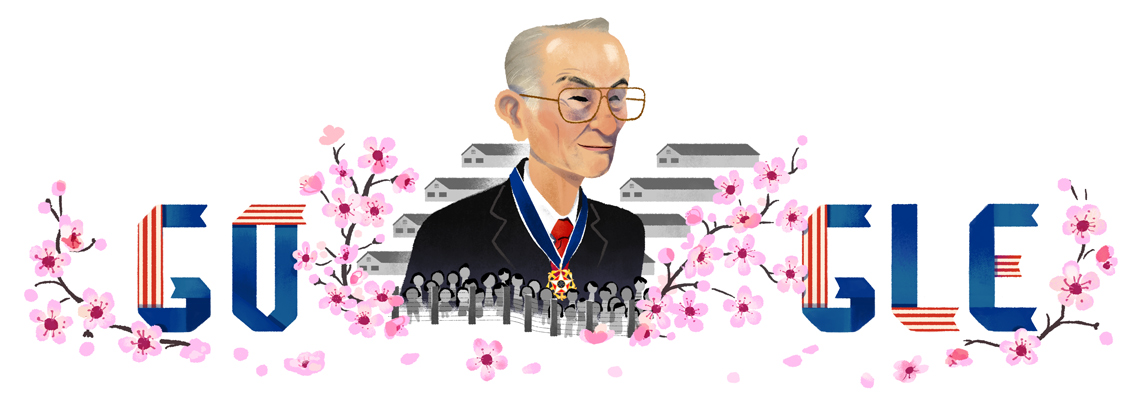
The doodle by artist Sophie Diao–herself a child of Asian immigrants–features a patriotic portrait of Korematsu wearing his Presidential Medal of Freedom, a scene of the internment camps to his back, surrounded by cherry blossoms, flowers that have come to be symbols of peace and friendship between the US and Japan.
Bessie Coleman (January 26, 1892 – April 30, 1926) was an American civil aviator. She was the first female pilot of African American descent and was also the first woman of Native American descent to hold a pilot license. She is also the first person of African American and Native American descent to hold an international pilot license.
Coleman was born on January 26, 1892, in Atlanta, Texas, the tenth of thirteen children to sharecroppers George, who was part Cherokee, and Susan Coleman, who was African-American.
When Coleman was two years old, her family moved to Waxahachie, Texas, where she lived until age 23. Coleman began attending school in Waxahachie at age six and had to walk four miles each day to her segregated, one-room school where she loved to read and established herself as an outstanding math student. She completed all eight grades of her one-room school. Every year, Coleman's routine of school, chores, and church was interrupted by the cotton harvest. In 1901, Coleman's life took a dramatic turn: George Coleman left his family. He returned to Oklahoma, or Indian Territory as it was then called, to find better opportunities, but Susan and the children did not go with the father. At age 12, Bessie was accepted into the Missionary Baptist Church. When she turned eighteen, she took her savings and enrolled in the Oklahoma Colored Agricultural and Normal University (now called Langston University) in Langston, Oklahoma. She completed one term before her money ran out, and she returned home.
In 1916 at the age of 23, she moved to Chicago, Illinois, where she lived with her brothers. In Chicago, she worked as a manicurist at the White Sox Barber Shop where she heard stories from pilots returning home from World War I about flying during the war. She took a second job at a chili parlor to procure money faster to become a pilot. American flight schools admitted neither women nor blacks, and no black U.S. aviator would train her. Robert S. Abbott, founder and publisher of the Chicago Defender, encouraged her to study abroad.[8] Coleman received financial backing from banker Jesse Binga and the Defender.
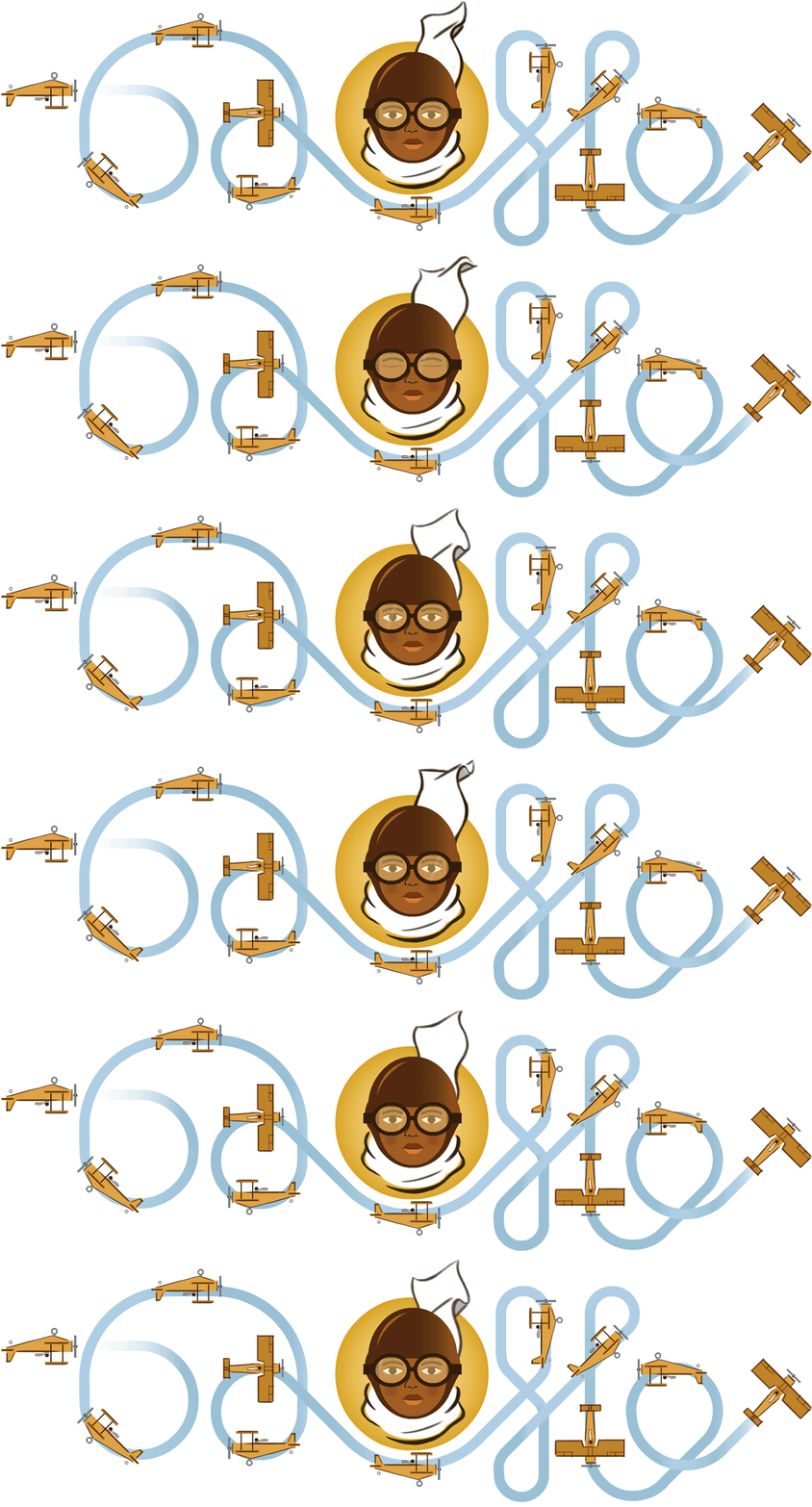
Bessie Coleman didn’t just chase her dreams – she soared after them.
Born in Texas to a family of 13 children, Coleman walked four miles each day to her segregated, one-room school. She was a proficient reader and excelled in math, and managed to balance her studies while helping her parents harvest cotton. Even from an early age, she had her sights set on something big.
At age 23, Coleman moved to Chicago where she worked two jobs in an effort to save enough money to enroll in aviation school. After working for five years, she moved to Paris to study, as no school in America would admit her due to her race and gender. Just a year later, Coleman became the first female pilot of African-American and Native American descent, and the first to earn an international aviation license from the Fédération Aéronautique Internationale.
In order to earn a living, Coleman made a plan to become a stunt pilot and perform for paying audiences. However, she was again denied enrollment in a stunt training program in the US, and in 1922, traveled to Europe where she completed her training in France and Germany.
Returning to the US, Coleman excelled at exhibition flying, performing complex stunts in flight for packed audiences. It was during this time that she acquired the nickname “Queen Bessie.” She was an adept, daring, and beloved pilot, until her untimely death at the age of 34.
Although Coleman didn’t live to fulfill her ultimate dream of starting an aviation school to train people of color, she inspired a generation. As Lieutenant William J. Powell writes, "Because of Bessie Coleman, we have overcome that which was worse than racial barriers. We have overcome the barriers within ourselves and dared to dream.”
Today’s Doodle honors Coleman on what would be her 125th birthday.
בסי קולמן הייתה טייסת אינדיאנית-אפרו-אמריקאית. קולמן הייתה האישה השחורה הראשונה והאישה האינדיאנית הראשונה להחזיק ברישיון טייס, וכן הייתה האפרו-אמריקאית הראשונה והאינדיאנית הראשונה להחזיק ברישיון טייס בינלאומי. נהרגה בהתרסקות מטוס בגיל 34
תאריך לידה: 26 בינואר 1892, אטלנטה, טקסס, ארצות הברית
תאריך פטירה: 30 באפריל 1926, ג'קסונוויל, פלורידה, ארצות הברית
השכלה: Langston University (1910–1910)
אחים ואחיות: אלויס קולמן פטרסון, Georgia Coleman, Walter Coleman, נילוס קולמן, John Coleman
הורים: George Coleman, Susan Coleman
בסי קולמן (באנגלית: Elizabeth Bessie Coleman ; 26 בינואר 1892, טקסס ארצות הברית - 30 באפריל 1926, ג'קסונוויל, פלורידה, ארצות הברית) הייתה טייסת אינדיאנית-אפרו-אמריקאית. קולמן הייתה האישה השחורה הראשונה והאישה האינדיאנית הראשונה להחזיק ברישיון טייס (אנ'), וכן הייתה האפרו-אמריקאית הראשונה (מכל המגדרים) והאינדיאנית הראשונה (מכל המגדרים) להחזיק ברישיון טייס בינלאומי. נהרגה בהתרסקות מטוס בגיל 34.
קולמן נולדה באטלנטה, טקסס שבארצות הברית למשפחה ענייה. הבת העשירית מבין 13 ילדים לג'ורג' קולמן שהיה חצי צ'רוקי וחצי אפרו-אמריקאי ולסוזן קולמן שהייתה אפרו-אמריקאית. כשהייתה בת שנתיים, משפחה עברה ל וואקסהאצ'י (אנ') שבטקסס – שם התגוררה עד גיל 23. בתקופת שהותה בבית הוריה, עבדה ככובסת וקטפה כותנה. את לימודיה החלה בגיל 6, ובכל יום נאלצה ללכת ברגל לבית הספר שנמצא במרחק 6.5 קילומטרים מביתה. בית הספר פעל לפי המדיניות של הפרדה גזעית והיה בו רק חדר לימוד אחד. במסגרת לימודיה, למדה קולמן לקרוא והצטיינה בלימודי מתמטיקה. לאמה סוזן היה חשוב להנחיל לבסי ולאחיה חינוך וערכים של גאווה שחורה, והיא דאגה שהם יכירו דמויות היסטוריות אפרו-אמריקאיות חשובות כמו הארייט טאבמן ובוקר טי. וושינגטון.
בשנת 1901, בהיותה בת תשע, אביה עזב את המשפחה, ואמה נותרה לגדל לבד את כל 13 הילדים. בגיל 12, התקבלה קולמן לכנסייה בפטיסטית מיסיונרית. קולמן עבדה ככובסת ובכסף שחסכה, נרשמה בשנת 1910, בהיותה בת 18, לאוניברסיטת לנגסטון (אנ') שבזמנו הייתה מופרדת גזעית ונקראה Oklahoma Colored Agricultural and Normal University. היא הצליחה לסיים סמסטר אחד עד שכספה אזל ואז שבה לביתה ועבדה שוב ככובסת.
בשנת 1915, בהיותה בת 23, קולמן עברה לשיקגו בה התגוררה עם אחיה הגדולים וולטר וגו'ן. בשיקגו עבדה כמניקוריסטית (Nail technician) במספרה ובה שמעה סיפורים על טייסים שחזרו ממלחמת העולם הראשונה. בזמן מלחמת העולם הראשונה, וולטר וג'ון שירתו בצבא הבריטי בצרפת. ג'ון התגרה באחותו בסי כשסיפר לה כי בצרפת מצבן של הנשים הרבה יותר טוב ממצבן של הנשים האפרו-אמריקאיות וכי בצרפת ישנן נשים טייסות. היא החליטה שהיא רוצה להיות טייסת והחלה לעבוד בעבודה נוספת כמלצרית כדי לחסוך כסף להגשמת מטרתה.
קולמן סבלה גם מיחס גזעני וגם מיחס סקסיסטי כאשר בתי ספר לטיסה (Flight training) בארצות הברית סירבו לקבל אל שורותיהם נשים או שחורים, ואף טייס אמריקאי שחור לא הסכים לאמן אותה. רוברט אבוט (Robert S. Abbott) המו"ל של העיתון 'The Chicago Defender' (אנ') הוקסם מהרעיון של טייסת שחורה ועודד אותה ללמוד טיסה בחו"ל. בתמיכתם הכספית של אבוט ושל איש העסקים ג'סי בינגה (Jesse Binga), קולמן החלה ללמוד צרפתית בברליץ בשיקגו, וב-20 בנובמבר 1920 הפליגה מניו יורק לפריז שבצרפת על מנת ללמוד תעופה. בית הספר לטיסה הראשון אליו פנתה סירב לקבל אותה משום ששתי סטודנטיות מתו בתאונת מטוס. היא הצליחה להתקבל לבית הספר לטיסה 'École de pilotage Caudron du Crotoy' (צר') (בו למדה גם אדריאן בולאנד) והתאמנה על מטוס ניופורט (אנ') מדגם 82 biplane. קולמן צעדה בכל יום 14.5 קילומטר ממקום מגוריה לבית הספר לטיסה, ודבקה בלימודיה על אף שראתה את חברה ללימודים נפצע קשה בתאונת אימונים (תחום התעופה היה רווי סכנות ואבדות בנפש באותה התקופה). ב-15 ביוני 1921, הפכה קולמן לאישה השחורה הראשונה ולאישה האינדיאנית הראשונה להחזיק ברישיון טייס, וכן לאפרו-אמריקאית הראשונה (מכל המגדרים) ולהאינדיאנית הראשונה (מכל המגדרים) להחזיק ברישיון טייס בינלאומי מטעם הפדרציה הבינלאומית לאווירונאוטיקה.
בשנות העשרים של המאה ה-20, קולמן התגוררה באורלנדו אצל כומר ואשתו שלקחו אותה תחת חסותם והתייחסו אליה כבתם. באורלנדו, קולמן החלה לעבוד בחנות יופי על מנת להרוויח כסף כדי לרכוש מטוס משלה. היא רצתה להיות טייסת אזרחית ולהשתלב בטיסות מסחריות (Commercial aviation), אולם היא הייתה צעירה מידי לשם כך, והבינה כי תחילה עליה להיות טייסת פעלולים בירידים (Barnstorming). כדי להצליח בתחום זה, היה עליה להשלים קורסים נוספים ולצבור ניסיון. היא חזרה לשיקגו אך לא מצאה שם אף אחד שהסכים ללמד אותה, ולכן בשנת 1922, היא שבה לצרפת בה השלימה קורסים מתקדמים במשך חודשיים. לאחר מכן, היא נסעה להולנד כדי לפגוש את אנתוני פוקר (Anthony Fokker), ממעצבי המטוסים (אנ') הבולטים של אותה התקופה, ולאחר מכן נסעה לגרמניה לאימונים נוספים בתאגיד פוקר. לאחר מכן, קולמן שבה לארצות הברית עם הניסיון והביטחון הדרושים על מנת לפצוח בקריירת אווירובטיקה.
Бесси Колман родилась в многодетной семье от смешанного брака — родителей, потомков американских индейцев и афроамериканцев, в Атланте, штат Техас, а затем вместе с семьей переехала в Чикаго, штат Иллинойс. Во время первой мировой войны Бесси заинтересовалась авиацией, когда она подружилась с военными летчиками и местными авиационными техниками, которые посещали парикмахерскую, где она работала. Однако ей было отказано в приёме в летную школу, так как она была женщиной и к тому же — афроамериканкой.
Благодаря предпринятым усилиям, Колман добилась того, что ряд предпринимателей профинансировал её учебу во Франции, и после обучения она стала первой американской женщиной, получившей международную категорию пилота.
Бесси Колман освоила парашютизм и управление планером. Через некоторое время, она стала исполнять на планере каскадерские трюки, благодаря чему, обрела известность во всем мире.
В 1992 году муниципалитет города Чикаго принял резолюцию и обратился с просьбой выпустить марку с изображением Бесси Колман, что и было сделано.
В 1926 г., при выполнении воздушных трюков во Флориде Бесси Колман была брошена потоком воздуха на плоскость летательного аппарата и погибла.
Начиная с 1931 года, чернокожие пилоты Чикаго учредили традицию ежегодного пролета над её могилой.
В 1977 году группа афроамериканских пилотов-женщин создала Авиаклуб имени Бесси Колман.
Today’s Doodle pays tribute to an early leader of the disability rights movement, Ed Roberts. After contracting polio at age 14, Roberts was paralyzed from the neck down. He was confined to a special wheelchair with a respirator during the day and slept in an 800-pound iron lung at night. Despite his limitations, he continued his studies via telephone hookup, attending in person a few hours a week. His mom, Zona, encouraged him persevere despite the odds.
Roberts’ activism began in earnest as early as high school, when he was denied his diploma due to his inability to complete Physical Education (PE) and Driver's Ed. After petitioning, not only did he earn his diploma, he went on to college, becoming the first student with severe disabilities to attend the University of California, Berkeley. There, he led other Berkeley students with severe disabilities in creating the Physically Disabled Students’ Program, the first of its kind.
Roberts went on to earn his bachelor’s and master’s degrees in political science from Berkeley, and later returned to lead the Berkeley Center for Independent Living, which inspired many similar centers around the U.S. In 1976, Gov. Jerry Brown appointed him Director of the California Department of Vocational Rehabilitation, and in 1983 he co-founded the World Institute on Disability.
His mother Zona describes: “I watched Ed as he grew from a sports-loving kid, through bleak days of hopelessness, into self-acceptance of his physical limitations as he learned what was possible for him to accomplish. His years at UCB were great ones as he both enjoyed his college status and got in touch with his leadership qualities. He took great pleasure in watching people with disabilities achieve greater acceptance.”